
Light Like a Penthouse: Make Small Rooms Feel Grand

Today we explore luxury lighting strategies that visually enlarge small rooms, blending designer tricks with perceptual science to make tight spaces feel gracious, airy, and refined. Expect layered plans, reflective materials, precise color temperatures, and achievable tips you can apply tonight. Share your photos or dimensions in the comments, and we’ll tailor guidance that respects your architecture, budget, and daily rituals while elevating comfort and understated glamour.

Understanding How Light Expands Perceived Space

Perception responds more to illuminated surfaces than raw wattage. When walls and the ceiling are evenly bright, boundaries dissolve and depth increases. Luxury emerges from control: where light lands, how softly it transitions, and how contrast invites the eye to wander. We will blend ambient calm with intentional highlights, ensuring every square foot feels taller, wider, and effortlessly composed, even if the footprint is modest and storage steals precious inches.

Why Vertical Illumination Matters

The human eye judges spaciousness by vertical brightness, not by light on the floor. Bright, even walls appear farther away, visually stretching the room. Use wall washers, low-profile sconces, or linear grazers to achieve uniform vertical luminance around 150–300 lux. Watch how corners soften, shadows relax, and the ceiling feels higher. Try one wall first, then compare photos; you’ll see the room breathe and edges blur in the best way.

Balancing Contrast Without Clutter

Contrast adds luxury, but too many hotspots shrink space. Aim for a gentle ambient base with accents at two to three times brighter, never five times brighter unless you want drama. Streamline fixtures, minimize visible hardware, and keep beams clean. A few perfectly placed highlights on art, plants, or textured panels will guide the gaze, lengthen sightlines, and make the layout feel intentional rather than busy or visually noisy.

A Luxe Layered Plan: Ambient, Task, and Accent

Layering is the signature of high-end interiors because it allows flexibility and calm. Ambient light sets a serene baseline. Task light supports reading, cooking, or work without casting heavy shadows. Accents add dimension and charm. In small rooms, each layer should be efficient, discreet, and dimmable, so the space can shift from morning amplitude to evening hush. Fewer, smarter layers beat many random fixtures every single time.

Color Temperature, CRI, and Dimming for Elegance

Subtle control over color temperature and spectrum separates casual lighting from considered luxury. Warmer ranges, 2700–3000K, flatter woods and skin while still feeling fresh. High CRI, preferably 95+, honors natural materials, textiles, and art. Layer dimming so scenes glide from lively to intimate without jumps. If possible, use dim-to-warm modules for evening candlelight tones. The room grows deeper, quieter, and more gracious as light softens and shadows lengthen.

Choosing 2700K or 3000K With Purpose

2700K is cozy and intimate, flattering warm finishes and evening rituals. 3000K feels crisper, helpful for clarity in kitchens or multipurpose studios. Mix carefully: keep adjacent zones consistent to avoid patchy color perception. If you combine, separate by function and distance. Test at night and daytime; wall paint and flooring shift appearance with Kelvin changes. Record impressions, then pick the temperature that best supports how you truly live.

High CRI for Materials That Truly Shine

A high Color Rendering Index ensures marble veining, walnut grain, and textiles retain depth and nuance. Aim for CRI 95+ and strong R9 values so reds and skin tones look alive rather than gray. This spectral fidelity makes small rooms feel more expensive because materials appear rich and believable. Ask for photometrics, compare samples under different sources, and watch how subtle variations either sing or dull depending on the light.

Adaptive Dimming Curves for Day-to-Night Drama

The dimming curve influences mood; poor dimmers jump, while better ones glide. Choose high-quality, flicker-free drivers with low-end smoothness so five percent feels usable, not dead. Scene controllers let you preset morning, work, dining, and night modes. Dim-to-warm modules shift from 3000K to candlelike ambers as brightness falls, revealing texture and intimacy. Your tiny room suddenly gains theatrical range, moving gently with routines rather than fighting them.


Architectural Details: Cove, Grazing, and Wall Washing

Architecture becomes your most elegant fixture when light is integrated thoughtfully. Coves lift ceilings, grazing reveals texture, and wall washing dissolves edges. The trick is restraint: shallow profiles, continuous diffusion, and careful spacing to avoid scallops. Even distribution feels expensive and makes rooms appear larger. Combine a soft wash behind drapery with a subtle ceiling glow, and the envelope expands without adding a single square inch of construction.

Materials, Mirrors, and Metallics Without Glare

Small rooms benefit from controlled reflectivity. Mirror, lacquer, crystal, and polished metal can amplify volume when paired with soft, indirect sources. Diffusers and shades turn points into planes, avoiding harsh reflections. Brushed finishes and opal glass lend glow without sparkle overload. Place reflective elements where they catch dimmed light, not raw beams. The result is cultivated radiance that broadens space while keeping sightlines serene and compositions luxuriously calm.

Mirror Placement That Multiplies Light, Not Mistakes

Hang mirrors perpendicular to windows or opposite diffused sconces, never facing bare bulbs. This doubles soft luminance and opens views without producing blinding pinpoints. Frame finishes matter: a slim metal edge keeps things elegant while directing attention to the expanded reflection. If the room is narrow, align the mirror to capture the longest axis. Share a snapshot, and we’ll suggest angles that brighten depth without revealing cluttered bookcases.

Opal Glass, Linen Shades, and Gentle Diffusers

Opal glass and woven linen transform harsh diodes into velvety fields of light that caress rather than stab. Choose double-layer diffusers when fixtures sit near eye level, and specify high-transmission materials to retain output. Shades should elongate silhouettes rather than widen them in tight rooms. This quiet glow feels couture and forgiving, flattering faces and finishes while preserving the impression of space through broad, shadow-softening illumination.

Statement Fixtures, Scale, and Sightlines
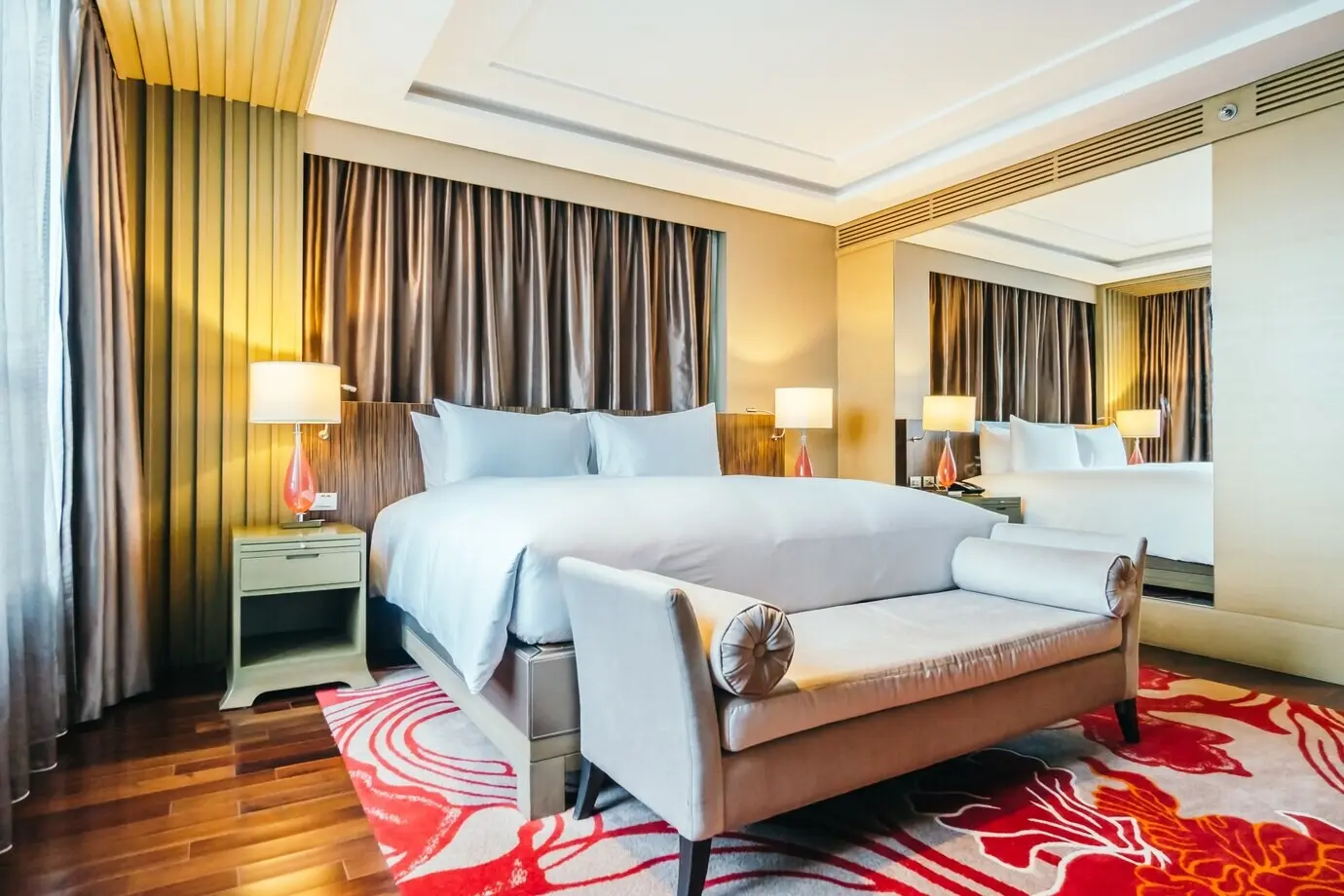
One confident focal point reads richer than many small objects. Scale matters: a modest space can handle a larger pendant if it is visually light, airy, and dimmable. Keep sightlines open with clear glass, slim arms, or slender profiles. Hang heights should respect circulation and ceiling height. When the composition is calm and proportional, the room feels intentional, more generous, and distinctively elegant without tipping into showy distraction.
Pahenohozehanazefolo
Privacy Overview

This website uses cookies so that we can provide you with the best user experience possible. Cookie information is stored in your browser and performs functions such as recognising you when you return to our website and helping our team to understand which sections of the website you find most interesting and useful.